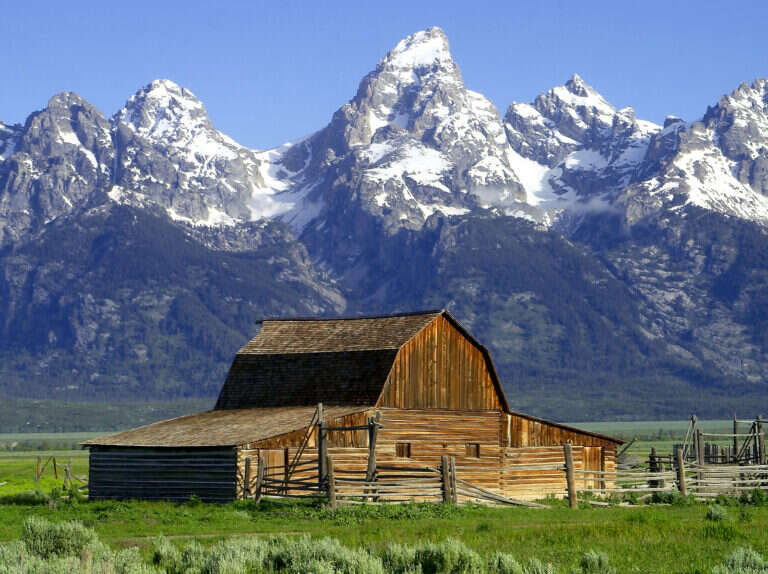
America’s national parks are wonderful places to bring children. Nothing has to be explained: a canyon, a sand dune or an alligator on a riverbank does the work on its own. But the parks don’t run like attractions. There is often no ticket office or opening time, and no café round the corner. The rules on passes, reservations and fees also differ from park to park, and families from abroad now pay an extra fee at some of them. This guide explains how park entry works for families, which parks suit which ages, and the practical details that make a park day with children go well.
The parks mentioned here all have their own pages on JuniorTravelClub with entry rules and family details from the National Park Service. The rules on passes come from the NPS passes page. Fees and reservation systems change, so always check the park’s own page before you travel.
How entry works
One pass per car, valid for days
Most parks with an entrance fee charge per vehicle, and the pass covers the driver and everyone in the car. A standard pass is valid for one park for one to seven days, depending on the park. At Badlands, White Sands, Joshua Tree and Grand Teton, for example, a vehicle pass lasts seven days. That changes how you plan. You can leave in the middle of the day for a rest and come back without paying again. Shenandoah puts it simply: a family travelling together pays no more than the vehicle fee.
Children usually go free
At the parks in this guide that charge a fee, children under 16 don’t need an entrance pass. Everglades, Acadia, Great Sand Dunes and Joshua Tree all say so on their fee pages, and White Sands admits children aged 15 and younger free. The age matters if you arrive on foot or by bike, where everyone aged 16 and over needs their own pass.
Annual passes
The America the Beautiful pass covers entrance fees and standard day-use fees at federal sites, including national parks. It covers one private vehicle, or four per-person fees at parks that charge per person. If you are visiting several fee-charging parks in a year, compare its price with the individual entrance fees. The NPS says you can buy it in person at federal sites (recommended), online by post, which can take up to three weeks, or as a digital pass through Recreation.gov that works straight away. Passes cannot be refunded or transferred, and the holder must show photo ID.
The 4th Grade Pass
If your family lives in the US and has a child in fourth grade, look up the free 4th Grade Pass. The NPS lists it as free for US 4th graders, available through Recreation.gov, and Zion’s fee page says families with a fourth grader are eligible for a free or discounted America the Beautiful pass.
Free and discounted passes for other groups
The NPS lists free passes for current US military members and dependents, for Gold Star families and veterans, and for US citizens and residents with a permanent disability (the Access Pass). US citizens and permanent residents aged 62 and over can buy a senior pass.
If you are visiting from abroad: the nonresident fee
This matters most for international families. At 11 parks, nonresidents aged 16 and older pay a $100 nonresident fee on top of the regular entrance fee, according to the NPS passes page in October 2026. The parks are Acadia, Bryce Canyon, Everglades, Glacier, Grand Canyon, Grand Teton, Rocky Mountain, Sequoia and Kings Canyon, Yellowstone, Yosemite and Zion. The fee is waived for visitors with an annual or America the Beautiful pass. There is a Non-Resident Annual Pass, which covers both the entrance fees and the nonresident fees, for the pass holder and up to 15 passengers in a private vehicle. Children under 16 are not charged the nonresident fee. So a family with two parents and young children pays it twice per park, while a family with teenagers pays it more often.
If your trip includes two or more of the 11 parks, do the sums before you leave. The NPS also says that free entrance days apply only to US citizens and permanent residents.
Bring a card, not cash
Several parks no longer take cash. Everglades, Grand Teton, Badlands and Mesa Verde all say so on their own pages. Bring a credit or debit card, or buy a digital pass before you arrive.
Reservations: which parks need them
Many parks need no reservation to drive in. Grand Teton, Great Sand Dunes, Joshua Tree, White Sands and Cuyahoga Valley all state this, and Arches says timed entry is not required in 2026. But some parks, or parts of parks, run their own booking systems:
- Carlsbad Caverns: timed entry tickets are required to enter the cavern. The reservation picks your time, and you buy the entrance ticket on arrival.
- Acadia: driving the Cadillac Summit Road needs a separate vehicle reservation, sold online at Recreation.gov in advance and never at the park.
- Mammoth Cave: no entrance pass is needed for the park, but you can only go into the cave on a ticketed tour. Tours can sell out weeks ahead.
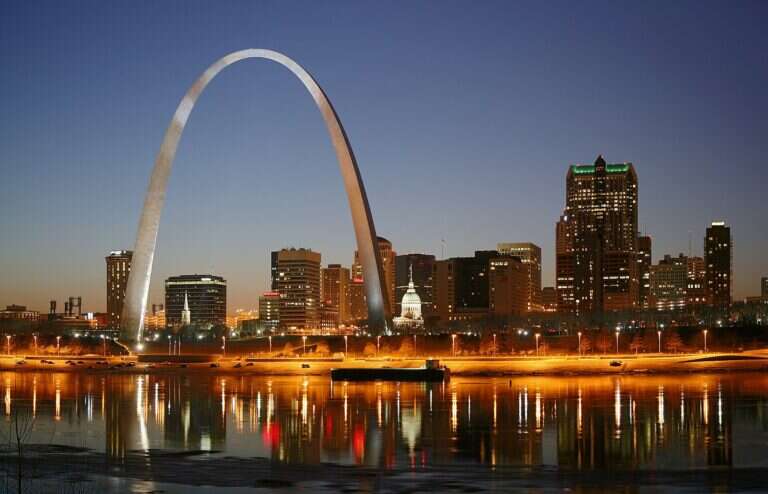
- Gateway Arch: the museum is free, but the tram to the top is a separate ticket on timed entry, and it sells out on busy days.
- White Sands: no reservation to enter, but some ranger-led programmes must be booked.
The Junior Ranger programme
If there is one thing to know about national parks with children, it is this. The Junior Ranger programme is a set of hands-on activities, usually in a free booklet from the visitor centre. Children complete the activities during the visit, take the Junior Ranger pledge and receive a badge. The NPS says the programme is designed for an in-person visit and that most parks only give badges to children who are there.
It turns a park into a mission. Children look harder at what’s around them, and parents get a reason to stop at the visitor centre, where the rangers, toilets and water are. On a road trip, a badge from each park makes a good collection. Parks that mention it on their own pages include Badlands, Arches, Cuyahoga Valley and Gateway Arch, where both the Arch and the Old Courthouse have programmes. At Kenai Fjords, booklets are available at the Seward visitor centre and the Exit Glacier Nature Center, both open in summer only.
Which parks suit which ages
Babies and toddlers: boardwalks and short loops
The best parks for the youngest are those where you can see a lot from a flat path or a car:
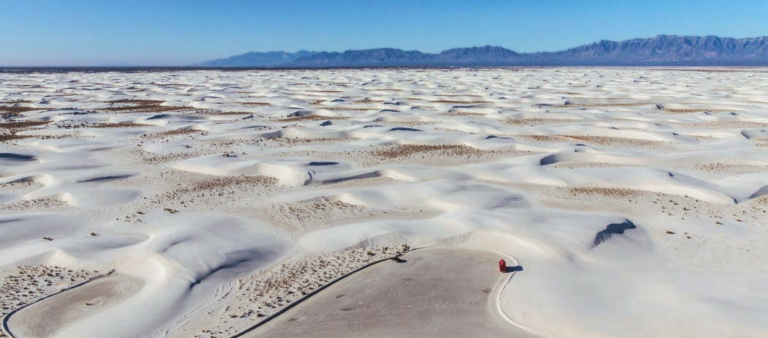
- White Sands has a boardwalk through the dunes that takes even the youngest, stroller included.
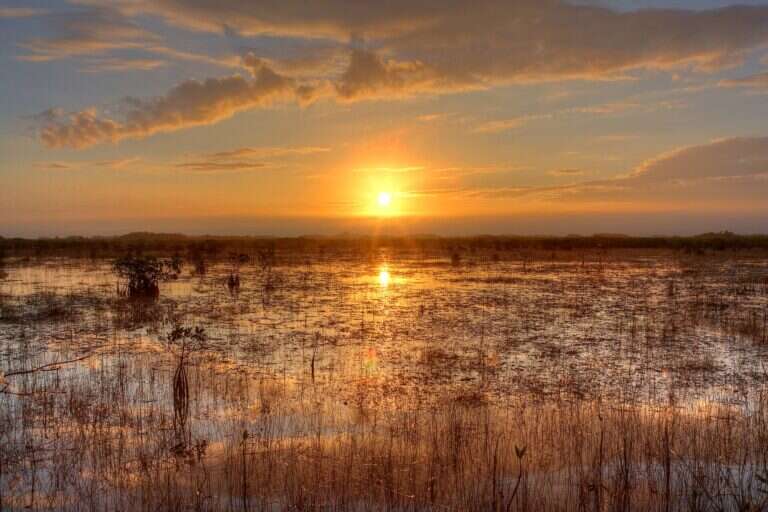
- Everglades is where alligators and crocodiles bask on the shorelines, close enough to see from a boardwalk. The park asks you to keep small children close and stop them approaching the shoreline or the animals.
- Cuyahoga Valley in Ohio is free to enter, and its Towpath Trail is nearly level and accessible to all visitors.
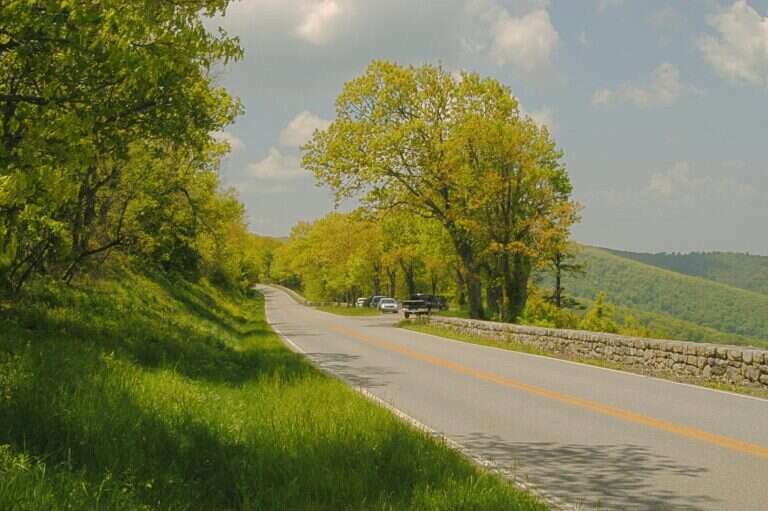
- Shenandoah has Limberlost, an accessible trail with a crushed greenstone walkway on a gentle grade. Most other trails there don’t suit strollers.
- Gateway Arch in St. Louis has a free museum under the Arch. Leave out the tram with a toddler: getting up and back means at least 96 steps, strollers aren’t allowed on the Observation Deck, and there are no restrooms up there.
Ages 4 to 8: sand, fossils and short trails
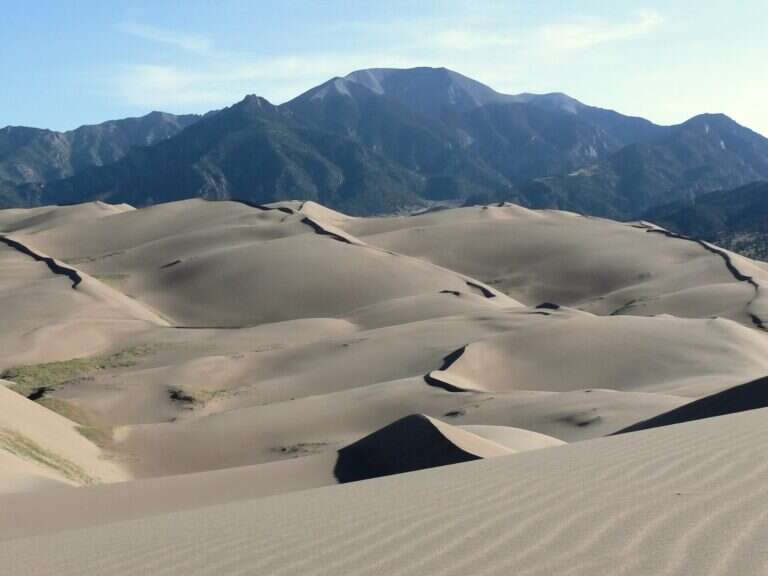
- Great Sand Dunes in Colorado is a place where the landscape really is a playground. Children climb, dig and slide down, and when Medano Creek is flowing at the foot of the dunes there is splashing too. Bring sleds or sandboards, because there is nowhere to rent them inside the park. Avoid the dunes in a thunderstorm.
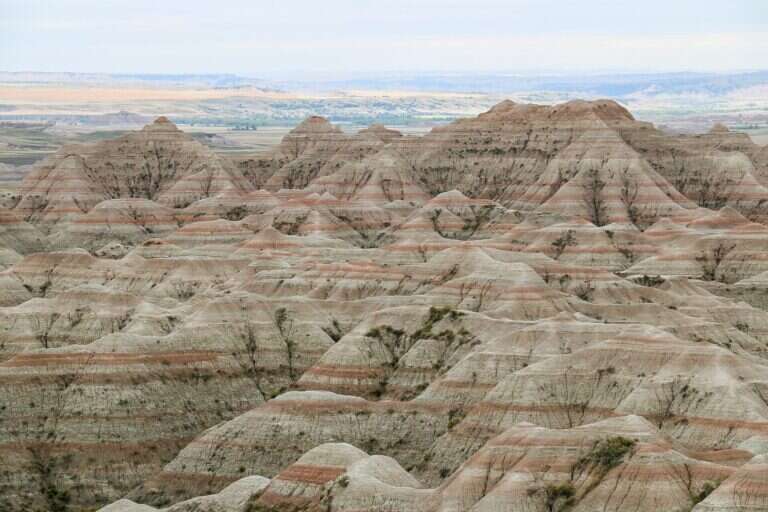
- Badlands in South Dakota names its Fossil Exhibit Trail as a great place for little ones to explore.
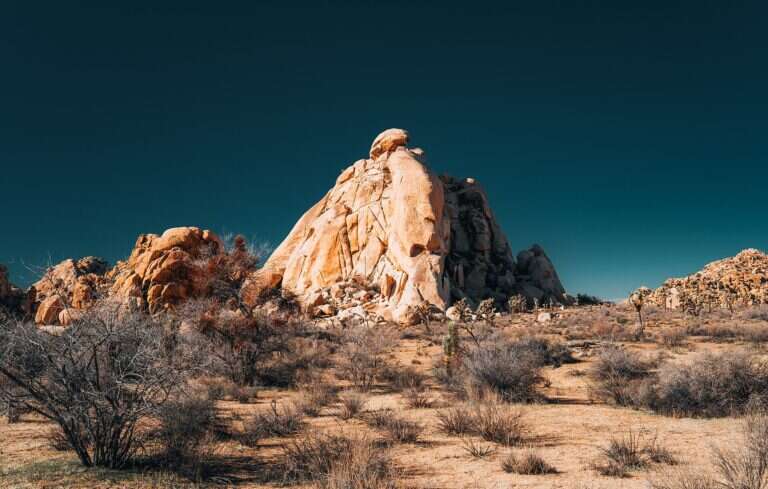
- Joshua Tree has short trails you can string together across a day, among them Barker Dam, Cholla Cactus Garden and Hidden Valley, with the car never far away. There are designated stargazing areas for after dark.
- Grand Teton has Colter Bay, where the easy Lakeshore Trail looks across Jackson Lake and the Swim Beach ends a hot afternoon.
Ages 6 and up: caves
Caves are cool, dark and impossible to forget. Carlsbad Caverns lets children choose between an elevator down and a walk in through the natural entrance. Either way, they reach a mile-long loop through the Big Room, the only wheelchair-accessible route in the cavern. Strollers are not allowed in the caves, except where a child has mobility needs. Mammoth Cave grades its tours by distance and difficulty, with ticket bands for children aged 3 to 5, youth aged 6 to 12 and adults. Strollers and backpack carriers aren’t allowed on cave tours, but front packs are. The cave sits at around 12°C (54°F) all year, so pack a jacket.
Older children and teens: the big icons
For children who can walk further and cope with heat and altitude, the classic western parks come into their own. Grand Canyon, Zion, Bryce Canyon and Arches make a classic road trip. Our Utah and Arizona national parks road trip plans it day by day. Acadia in Maine has a fare-free Island Explorer bus that serves most of the park, so a car-free day works everywhere except the Cadillac summit.
Good to know with kids
Bring your own food and water
Many parks have little or no food. Joshua Tree has no restaurants, grocery stores or gas stations inside the park. The only food at Great Sand Dunes is a few snacks in the visitor centre bookstore. Everglades sells a limited range of snacks and advises you to bring your own. White Sands recommends about a gallon (4 litres) of water per person per day, and water is only available at the visitor centre. Pack a cool box and refill bottles at every visitor centre.
Heat, weather and wildlife
White Sands advises against hiking when the temperature is above 29°C (85°F). Great Sand Dunes tells visitors to check the forecast for heat, wind and lightning. In bear country, Grand Teton recommends carrying bear spray everywhere, and Shenandoah’s advice if you meet a bear is to stay in a group and keep children close. At Kenai Fjords, food and anything that smells of food has to be stored in a vehicle, hard-sided building, food locker or bear-resistant canister.
Seasons and closures
Many parks change a lot through the year. Acadia’s Park Loop Road, including Cadillac Mountain, is closed to vehicles from 1 December to 14 April. At Grand Teton, from November to April, some roads, all campgrounds and most visitor facilities are closed or on reduced hours. The Grand Canyon’s North Rim is open only from 15 May to 15 October. In the Everglades, many ranger-led walks and talks are not offered in the summer rainy season. Check the season before you promise a child a particular ranger walk.
Dogs
If the dog is coming, choose parks carefully. Acadia allows pets on 100 miles of hiking trails and 45 miles of carriage roads, on a leash of 6 feet or less. Badlands allows dogs only in developed areas and areas open to vehicles, not on hiking trails.
Free parks
Not every park charges. Cuyahoga Valley is free for everyone. Mammoth Cave needs no entrance pass, only a cave tour ticket. The museum at Gateway Arch is free, and so is the Old Courthouse.
Frequently asked questions
Do children pay to enter US national parks?
At the fee-charging parks in this guide, children under 16 don’t need an entrance pass, and White Sands admits those aged 15 and younger free. Most parks charge per vehicle, so the pass covers everyone in the car.
What is the nonresident fee?
At 11 parks, including Grand Canyon, Yellowstone, Yosemite and Zion, non-US residents aged 16 and over pay a $100 fee on top of the entrance fee, according to the NPS in October 2026. It is waived with an annual or America the Beautiful pass, and children under 16 don’t pay it.
Is the America the Beautiful pass worth it for a family?
It depends on how many fee-charging parks you visit in a year. It covers one private vehicle, or four per-person fees, at national parks and other federal sites. Foreign visitors should look at the Non-Resident Annual Pass, which also covers the nonresident fee.
How does the Junior Ranger programme work?
Ask at the visitor centre for the Junior Ranger booklet. Children complete the activities during the visit, take the pledge and receive a badge. Most parks only give badges to children who are there in person.
Which national park is best for toddlers?
Parks with boardwalks and flat trails: White Sands’ dune boardwalk takes strollers, Everglades has boardwalks with alligators in view, and Cuyahoga Valley’s Towpath Trail is nearly level. Avoid caves, where strollers are not allowed.
Do I need to book national parks in advance?
Many parks don’t need a reservation to enter. Some parts do: Carlsbad Caverns has timed entry, Acadia’s Cadillac Summit Road needs a vehicle reservation, and Mammoth Cave tours can sell out weeks ahead. Check each park’s page before you go.
Can we pay in cash at the entrance?
Not at all parks. Everglades, Grand Teton, Badlands and Mesa Verde are cashless. Bring a card or buy a digital pass online in advance.
Tickets & tours for these places
Bookable tours via GetYourGuide. Affiliate links: we may earn a small commission at no extra cost to you.