The north-east of the United States packs four family cities into one corridor. Boston has an aquarium and two museums built around children, New York has the museums, parks, zoo and beach that children know from films, Philadelphia has the Franklin Institute and a zoo with quiet zones for children who need them, and Washington has a whole mall of free museums. You don’t need a car between them: the cities are linked by rail, so this can be a road trip or a train trip. This guide sets out a 12-day route from Boston to Washington, with what children pay, which places need booking, and how to keep the pace manageable.
Every attraction here has its own page on JuniorTravelClub with details from its official website. Opening hours and ticket rules change, so check each page before you go.
The route at a glance
- Boston: 3 days
- New York City: 4 days
- Philadelphia: 2 days
- Washington, D.C.: 3 days
- Getting between cities: by train or by car. In the cities themselves, the places in this guide are reached by subway, Metro or bus.
- Works for: all ages, with something for babies to teenagers in every city
Before you go
Book the timed tickets
Several of the big attractions want you to book ahead:
- National Air and Space Museum: entry is free, but every visitor, whatever their age, needs a free timed-entry pass.
- Bronx Zoo: every visitor needs a date-specific ticket, and same-day tickets are only sold online if there’s space.
- New York Aquarium: date-specific tickets with an arrival time; all sales are final.
- Boston Children’s Museum: advance tickets are highly recommended, especially at weekends and in school holidays.
- New England Aquarium: advance reservations are strongly recommended for general admission.
- Franklin Institute: buying in advance skips the lines and guarantees your preferred time.
What children pay
This route is unusually kind to families. The Smithsonian museums in Washington are free, except Cooper Hewitt in New York City. Children aged 12 and under enter the Metropolitan Museum of Art free. At the American Museum of Natural History, children under 3 are free and the child rate covers ages 3 to 12. Children under 2 get in free at the Philadelphia Zoo, and children aged 2 and under at the New York Aquarium. The Brooklyn Children’s Museum is free every Thursday from 2pm to 5pm.
Sensory support
If your child finds crowds and noise hard, this route has good support. The New England Aquarium lends sensory kits with noise-cancelling headphones. The Museum of Science runs lower-sensory planetarium shows and has sensory break areas. The Bronx Zoo lends sensory bags against an ID and has marked Quiet Zones. The Franklin Institute lends sensory backpacks, and the Philadelphia Zoo is KultureCity certified, with quiet and headphone zones.
Boston: days 1–3
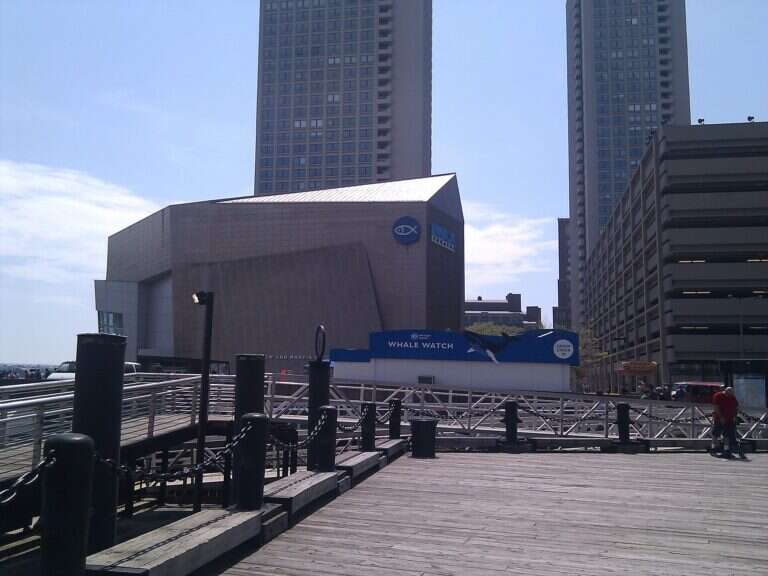
Day 1: New England Aquarium. The New England Aquarium designs its exhibits for children who can’t read yet, with oversized type, bold illustrations, photographs and diagrams rather than blocks of text. Strollers are welcome almost everywhere, and there are two family restrooms on level 2. The Harbor View Cafe serves lunch.
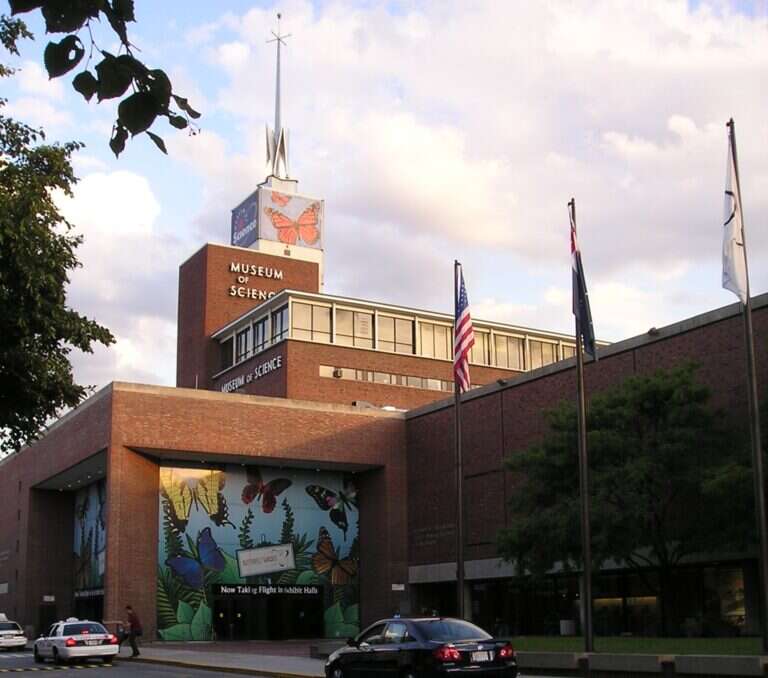
Day 2: Museum of Science. The Museum of Science lends seven strollers free, and you can eat your own food on the front plaza, at the picnic tables behind the museum or in the Atrium. Take the Green Line (D or E branch) to Science Park. It is usually quieter on weekend mornings from 9 to 11 and weekday afternoons after 2pm in term time.
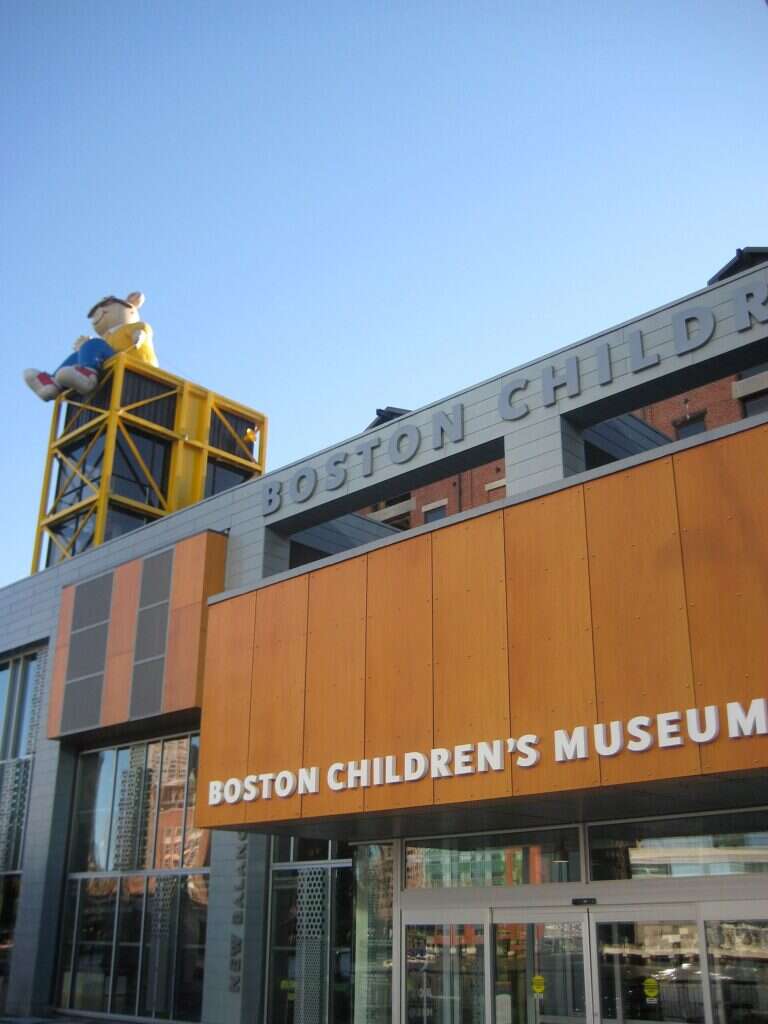
Day 3: Boston Children’s Museum. The Boston Children’s Museum is organised by age. PlaySpace is only for children from birth to 3 and their adults. Older children move on to building, science, movement and stage exhibits for ages 4 to 8. You can bring your own snacks and lunch. Every restroom has a baby changing table. It is within walking distance of South Station, so this works well as your last morning before the train to New York.
New York City: days 4–7
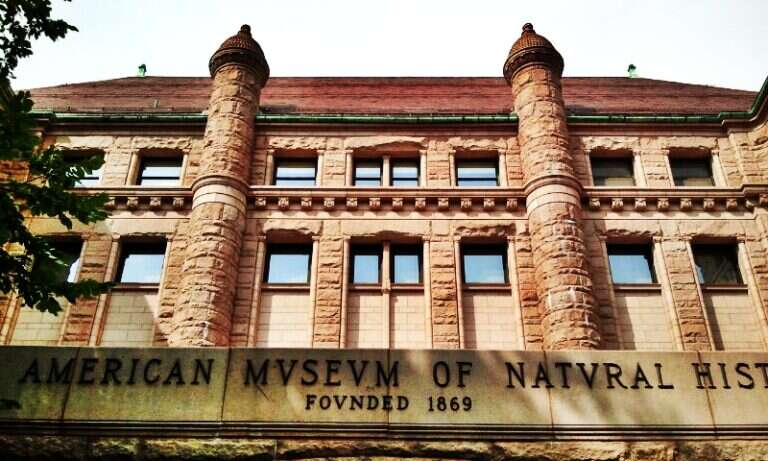
Day 4: Natural history and Central Park. The American Museum of Natural History runs free guided tours that give you a route through the halls without planning one. Strollers are welcome except in the theatres, which have stroller parking, and there are lactation stations on the Lower Level of the Rose Center and on Floor 3 of the Gilder Center. Take the C (or the B on weekdays) to 81st Street. Spend the afternoon in Central Park next door.
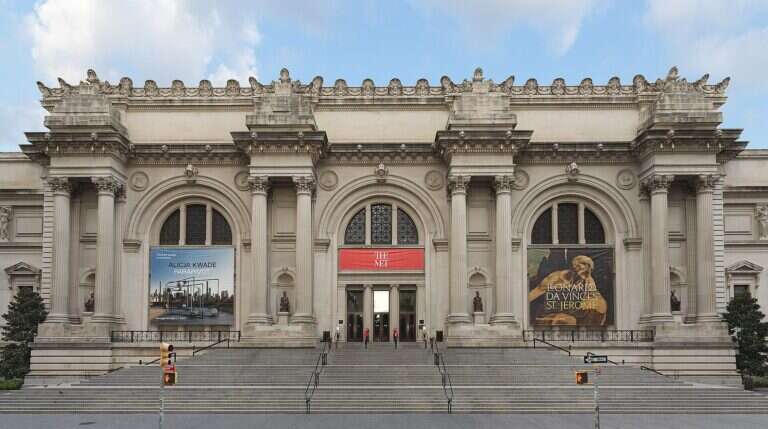
Day 5: The Met and the High Line. Children aged 12 and under enter the Metropolitan Museum of Art free, and every ticket includes free guided tours. Note that The Met Fifth Avenue is closed on Wednesdays. Keep the visit short and choose a few galleries. Afterwards, walk the High Line, a free park that is fully wheelchair accessible, with free docent-led tours on some days. Dogs are not allowed.
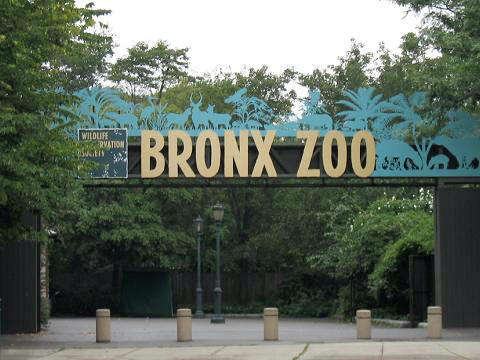
Day 6: The Bronx Zoo. The Bronx Zoo, founded in 1899, is big enough that walking between exhibits is a real part of the day. Visitors who struggle with slopes are directed to the Southern Boulevard entrance, which has fewer climbs. Dancing Crane Cafe is open all year. The gates stop admitting visitors 45 minutes before closing.
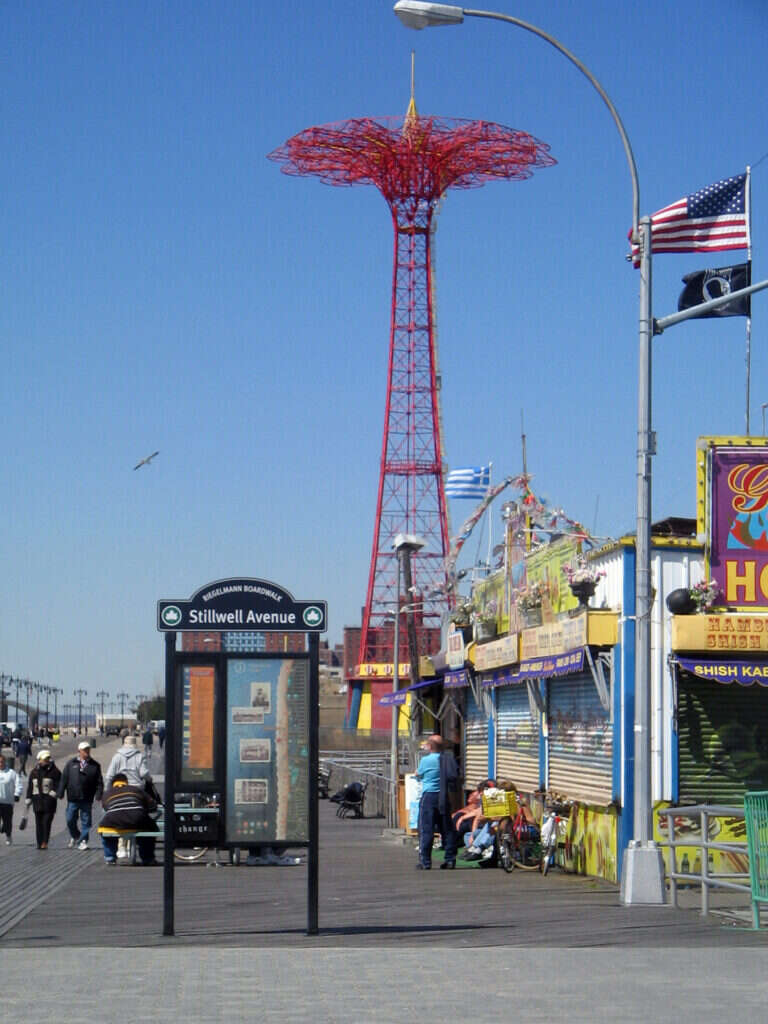
Day 7: Coney Island. Take the D, Q, N or F subway to Coney Island, New York’s beach and seaside neighbourhood, with outdoor amusements in the spring and summer season. The New York Aquarium is here too, with sea lions in the Aquatheater, penguin feeds and sand tiger sharks. Everyone aged 17 and under must be with an adult, and wagons aren’t allowed inside.
With small children: the Brooklyn Children’s Museum is designed for ages 6 months to 10 years, has no timed entry and lets you use strollers throughout. It is closed on Mondays and Tuesdays. The New York Hall of Science in Queens is the alternative for older children.
The Statue of Liberty and Ellis Island are the classic New York outing. Check the official booking options before you go.
Philadelphia: days 8–9
Day 8: The Franklin Institute. The Franklin Institute runs on a schedule of live science shows, dissections and planetarium shows. Your ticket is valid all day, with a wristband for re-entry, and can be exchanged for a different date if plans change. There is an infant feeding room on the first floor and changing stations on both levels. SEPTA buses 32, 33, 38 and 49 serve the area.
Day 9: The Philadelphia Zoo. At the Philadelphia Zoo, reserve general admission online. Children under 2 get in free, and last entry is at 4pm. The Pherris Wheel takes children from 32 inches with a supervising companion, and from 42 inches alone. Family restrooms are at the Main Entrance, KidZooU and WildWorks Plaza.
Washington, D.C.: days 10–12
Washington is where the budget recovers. The Smithsonian museums are free, so children can move between them without anyone worrying about getting their money’s worth.
Day 10: National Air and Space Museum. Book a free timed-entry pass for every visitor. Once you’re inside, there is no time limit. How Things Fly has more than 45 interactives for all ages, and Pioneers of Flight has hands-on pilot activities for the youngest. Outside food isn’t allowed, but bottled water is fine, and Mars Café is on the lower level. See the National Air and Space Museum page.
Day 11: The National Mall. Use the day for one or two more Smithsonian museums and finish with a ride on the Smithsonian Carousel on the National Mall, near the Smithsonian Castle. Lines into the museums can be long at busy times, and museums are generally busier in the afternoon, so go early. Every Smithsonian building has at least one accessible entrance. The National Gallery of Art is also on the Mall.
Day 12: The National Zoo. The Smithsonian’s National Zoological Park is open every day, rain or shine, except 25 December. At the Kids’ Farm, young children can touch the cows and the donkey. You can bring your own food and non-alcoholic drinks, and every restroom has a baby changing station. Take the Metro to Woodley Park-Zoo or Cleveland Park, both about half a mile away. Parking must be bought at least a day ahead.
Good to know with kids
Train or car?
For the four cities, the train is the easier choice. Almost every place in this guide lists a subway, Metro or bus connection, and several, like the Museum of Science and the National Zoo, charge for parking. If you want a car for a detour, hire it for those days only.
Pace
Museum days are tiring for small children, even when the museums are made for them. Plan one big museum a day, with a park, playground or picnic in the afternoon. Use the quieter times the museums publish: weekday afternoons at the Museum of Science, mornings at the Smithsonian.
Picnics
Several places welcome your own food: the Museum of Science, the Boston Children’s Museum and the National Zoo. The National Air and Space Museum doesn’t allow outside food, so eat before or after.
Season
Coney Island’s outdoor amusements run in the spring and summer season, and the Bronx Zoo’s food stands other than Dancing Crane Cafe are only staffed from April to October. The Smithsonian says January, February, September, October and December are usually quieter.
Plan and book
City passes can work well in big cities like these: Go City Boston, Go City New York and Go City Philadelphia. Check what each pass includes, and remember that many places on this route are free for children. Mobile data: US eSIM on Airalo.
Some links on this page are affiliate links. If you book through them, JuniorTravelClub may earn a small commission at no extra cost to you.
Frequently asked questions
Do you need a car for an East Coast trip with kids?
No. The cities are linked by rail, and most attractions in this guide are reached by subway, Metro or bus.
Are the Smithsonian museums free?
Yes. Entry is free at all Smithsonian museums except Cooper Hewitt in New York City. The National Air and Space Museum needs a free timed-entry pass for every visitor.
Which New York museums are free for children?
Children aged 12 and under enter the Metropolitan Museum of Art free. At the American Museum of Natural History, children under 3 are free. The Brooklyn Children’s Museum is free on Thursdays from 2pm to 5pm.
What is best for toddlers on the East Coast?
Boston Children’s Museum has PlaySpace just for children under 3. The Brooklyn Children’s Museum is built for ages 6 months to 10 years. The National Zoo’s Kids’ Farm lets young children touch the cows and the donkey.
How many days do you need for Boston, New York, Philadelphia and Washington?
Twelve days gives three in Boston, four in New York, two in Philadelphia and three in Washington. With ten days, drop a day in New York and one in Washington.
When is the quietest time to visit Washington’s museums?
The Smithsonian says January, February, September, October and December are usually quieter, and that museums are generally busier in the afternoon.
Do children need tickets for the National Air and Space Museum?
Yes, a free timed-entry pass for every visitor, whatever their age. Once inside, you can stay as long as you like.
Tickets & tours for these places
Bookable tours via GetYourGuide. Affiliate links: we may earn a small commission at no extra cost to you.